The Parable of the Tenants (Matthew 21:33-46)

“The stone the builders rejected has become the capstone;” (Psalm 118:22)

In 33AD, Jesus was in Jerusalem debating with the heavy-weight Jewish authorities. In that debate, Jesus told them a story about a vineyard, whose tenants refused to pay rent to the vineyard owner. It was obvious that the story was a thinly veiled criticism of the temple authorities. Jesus was publicly accusing them of failing to do what God required. Yet, what hope did Jesus, a poor Jewish Rabbi from the backward region of Galilee, have of making a difference against the powerful temple elite?

The events of the following days seemed to give an answer. In worldly terms Jesus had no hope. In the following days, they arranged for Jesus’ arrest trial and execution. Their critic was dead and buried. Or so they thought.

The truth was different. What they should have seen from Jesus’ teaching and miracles was that this was no ordinary Rabbi. This was God’s Son. They should have accepted his criticism and started to behave as God required.

Yet, this was not the end of the story. Although Jesus was brutally rejected by them, he was resurrected by God and became the capstone for a new living temple, the church, which would transform the world.

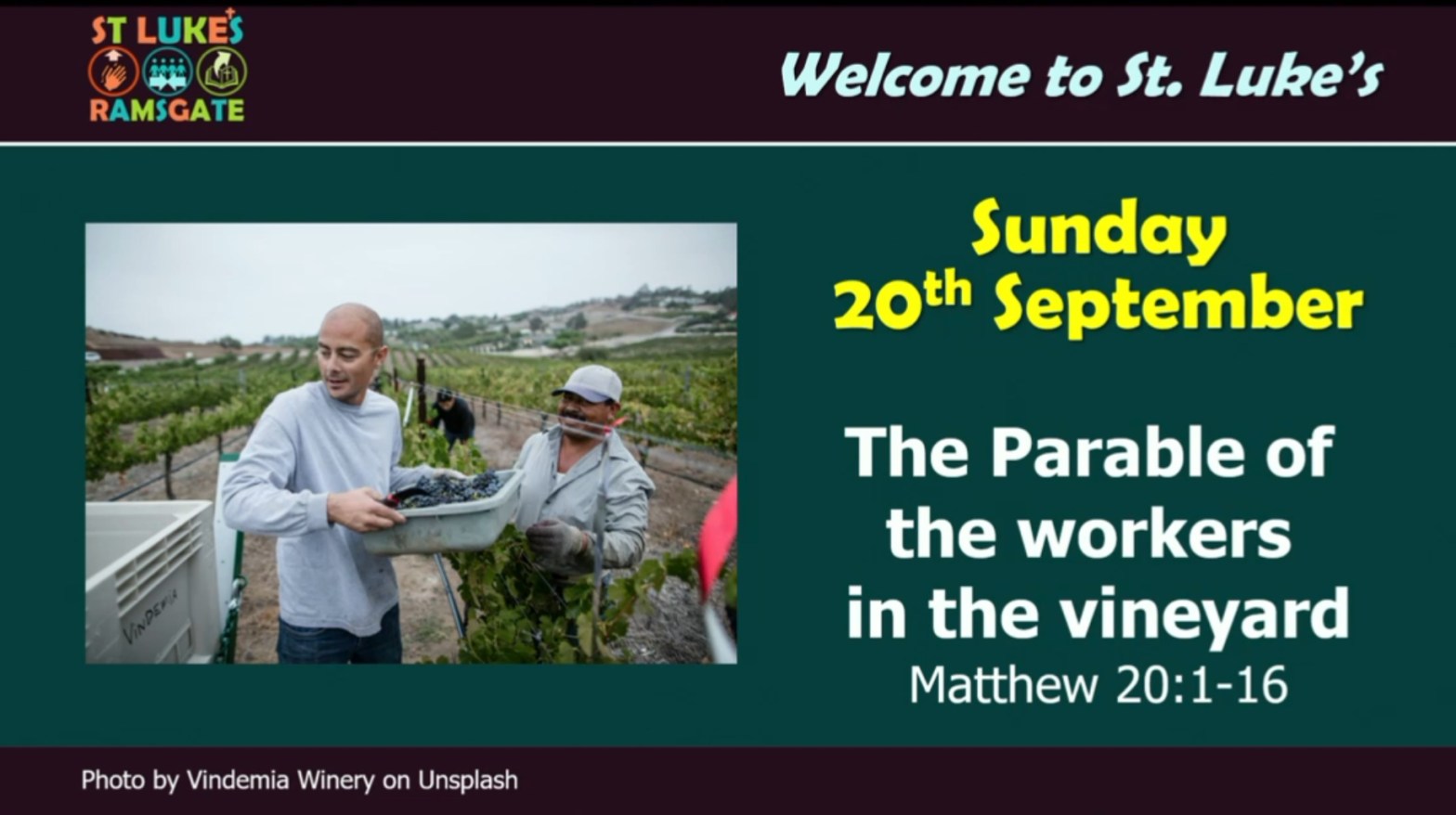
The Parable of the Vineyard Workers (Matthew 20:1-16)

“For it is by grace you have been saved, through faith—and this is not from yourselves, it is the gift of God— not by works, so that no one can boast.” (Ephesians 2:8-9)

Our focus this Sunday is another of Jesus’ Parables from Matthew’s gospel that focuses on the meaning of grace.

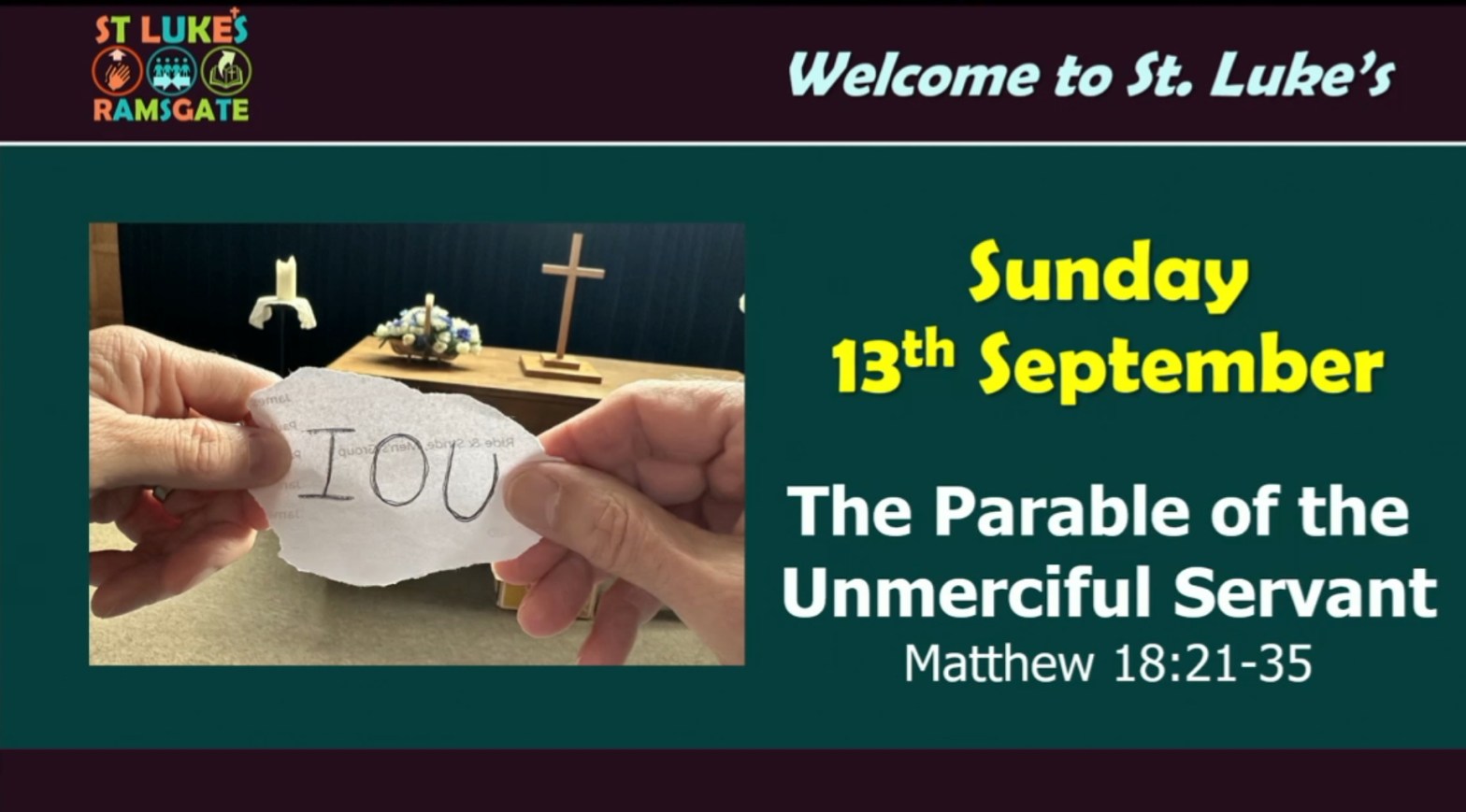
The Parable of the Unmerciful Servant (Matthew 18:21-35)

“For if you forgive men when they sin against you, your heavenly Father will also forgive you. But if you do not forgive men their sins, your Father will not forgive your sins.” (Matthew 6:14-15)

This week we look at another of Jesus’ parables in Matthew’s gospels, that tackles the issue of forgiving others.

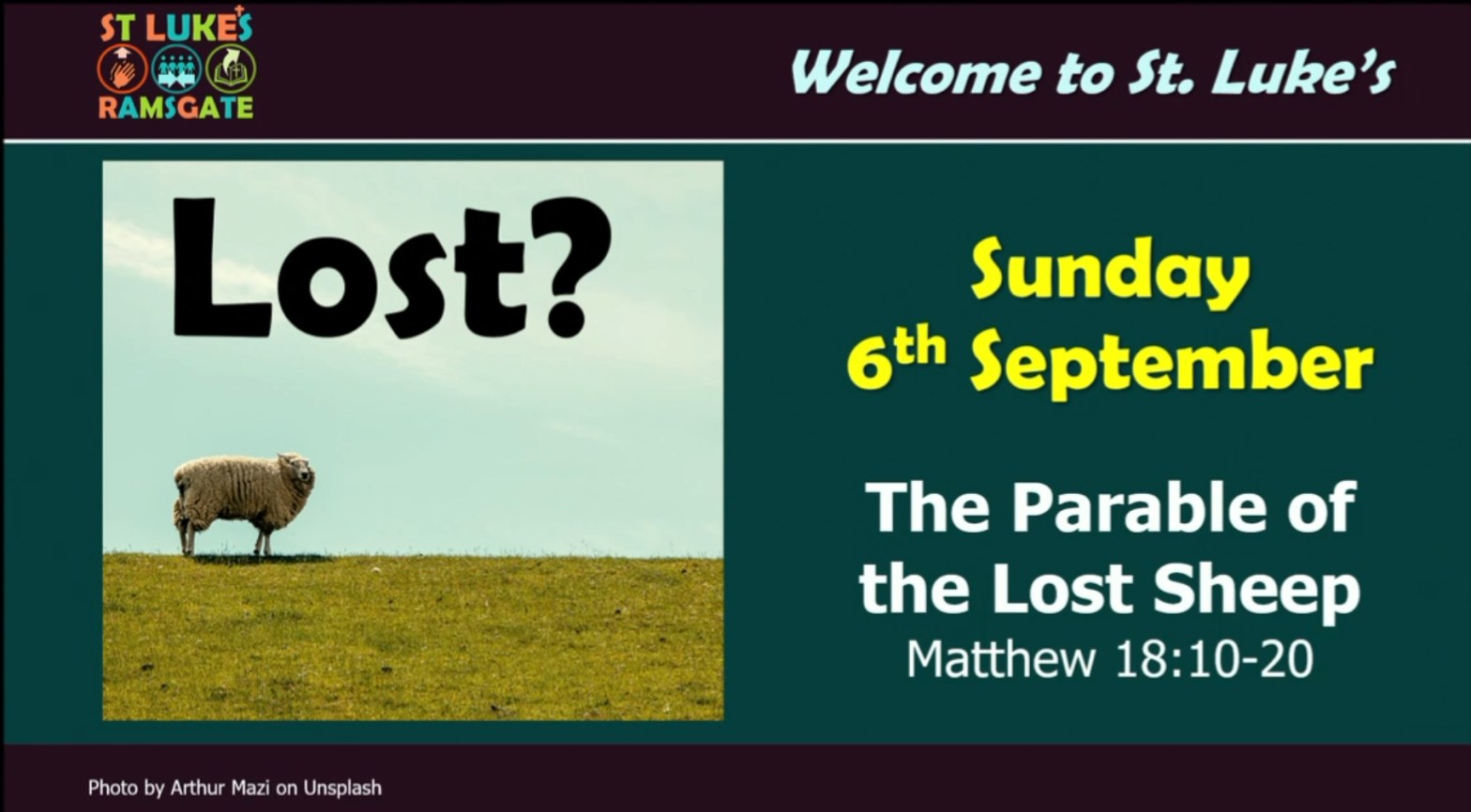
The Parable of the Lost Sheep (Matthew 18:10-20)

“Jesus said, ‘Truly I tell you, unless you change and become like little children, you will never enter the kingdom of heaven.'” (Matthew 18:3)

The theme for our service is ‘The Parable of the Lost Sheep’ as we begin a series looking at some of the stories Jesus told from Matthew’s gospel.

Fruit of the Spirit: Faithful (Matthew 5:31-37)

“Know therefore that the LORD your God is God; he is the faithful God, keeping his covenant of love to a thousand generations of those who love him and keep his commands.” (Deuteronomy 7:9)

This Sunday we return to our series on the Fruit of the Spirit, this week focussing on the characteristic of faithfulness.

The Great Commission (Matthew 28:16-20)

“Therefore, go and make disciples of all nations, baptising them in the name of the Father, and the Son and the Holy Spirit.” (Matthew 28:19)

The above verse is often seen as Jesus’ mission statement. What are we meant to be trying to achieve as the church? Jesus says, make disciples!

Easter Sunday (Matthew 21:1-11)

“Go quickly and tell his disciples: “He has risen from the dead…” (Matthew 28:7)

The Easter Story is an emotional rollercoaster. It takes us from the depths of human cruelty and agony to the highs of the most incredible and hope-giving miracle and for many, this story is the most important moment in history. Why not join us this Easter and discover afresh what it means and why it matters so much?

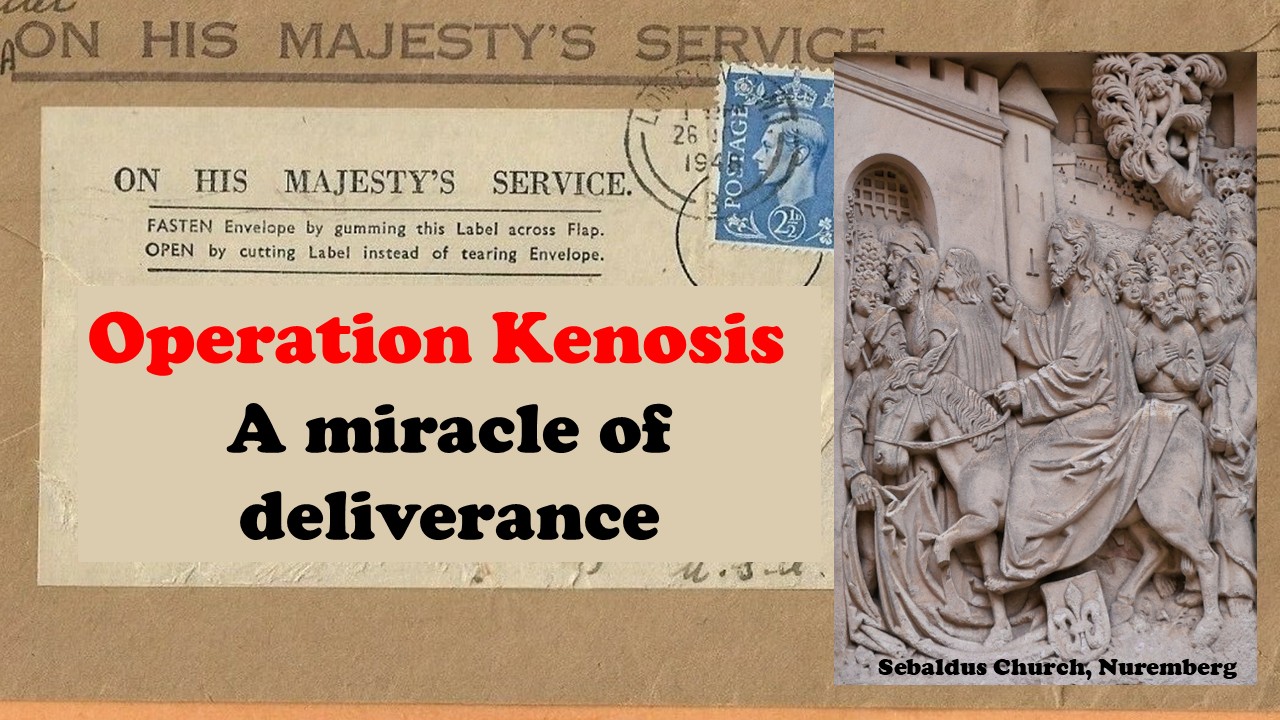
Palm Sunday (Matthew 21:1-11)

“Rejoice greatly, O Daughter of Zion! Shout, Daughter of Jerusalem! See, your king comes to you, righteous and having salvation, gentle and riding on a donkey, on a colt, the foal of a donkey.” (Zechariah 9:9)

This Sunday is Palm Sunday. We remember Jesus on a journey into Jerusalem. He, like many Jews, was on a pilgrimage to Jerusalem from his home region of Galilee. Yet, he chose to arrive in Jerusalem deliberately announcing to the crowds that he was coming to be made king. He rode on a donkey in fuflilment of the prophecy in Zechariah.

The crowds, many of whom had witnessed his amazing preaching and astonishing miracles, responded by praising him and laying down branches along the path, symbolically welcoming him as their king. Yet, remarkable as this was, difficult questions remained. How could Jesus be enthroned when he was not welcomed by the temple authorities? (They were jealous of his popularity and angry at his criticism of them). And how could Jesus overthrow the military power of the Romans who occupied the city?

Yet, within a week, Jesus was crowned and declared to be king. At his crucifixion, a crown of thorns was placed on his head and a placard placed above him declaring him to be, “King of the Jews.” To most this looked like the authorities mocking his claims, but the deeper reality was that his claims were becoming true in ways people could not comprehend. On the cross Jesus became king of God’s eternal Kingdom, as his subsquent resurrection proved.
The Transfiguration (Matthew 17:1-9)

“We did not follow cleverly invented stories when we told you about the power and coming of our Lord Jesus Christ, but we were eyewitnesses of his majesty.” (2 Peter 1:16)

Join us this Sunday as all ages join together for our focus on Jesus’ Transfiguration. Come and glimpse the glory of Jesus.