Jesus’ Anointing (John 12:1-8)

“Worthy is the Lamb, who was slain, to receive power and wealth and wisdom and strength and honour and glory and praise!” (Revelation 5:12)

This week, we are looking at the story of Jesus being anointed at Bethany (John 12:1-8). As Jesus reclines at a dinner held in honour of him, Mary anoints him with perfume worth the equivalent of a labourer’s annual salary. This is an extravagent and incredibly expensive act of devotion. For Mary, devotion to Jesus is what matters most. But what do we spend our money on? Do we spend money on our personal needs? Do we support the ministry of the church to promote worship of Christ? Or do we give to charities that care for the poor? For Christians all these things are important, all should feature in our budgeting. We need to pray for wisdom on what proportion of our wealth we give to each.

Paradise Regained (Luke 4:1-13)

“We have a high priest who has been tempted in every way, just as we are – yet he did not sin” Hebrews 4:15

What has forty days in a wilderness fasting and being tempted by the devil to do with paradise? Everything. In the wilderness experience, Jesus wrestled with what it really meant to be God’s son. In so doing, he prepared himself to resist the temptations of a public ministry. Let’s all use this Lent, to learn afresh what it means to be a disciple of Christ and to prepare ourselves to resist the temptations we may face

Dare to Explain (Daniel 5:1-6, 13-17, 22-30)

“I trust in you; do not let me be put to shame, nor let my enemies triumph over me.” (Psalm 25:2)

Our main reading is Daniel 5, the origin of the phrase, “The writing is on the wall.”

Advent is a time when we remember that God will ultimately win. Whoever seems victorious in the present will face God’s judgement in the future. Advent is a chance to remind ourselves to keep trusting in Christ, so that we will not be put to shame.

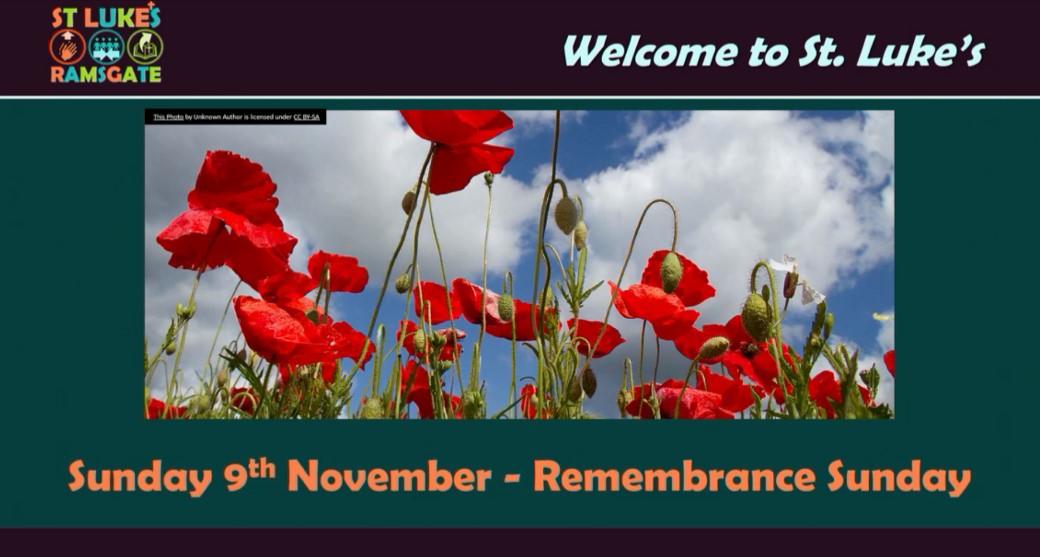
Remembrance Sunday (Micah 4:1-4 Joel 3:9-17)

“[The LORD] will judge between many peoples and will settle disputes for strong nations far and wide. They will beat their swords into ploughshares and their spears into pruning hooks. Nation will not take up sword against nation, nor will they train for war anymore.” (Micah 4:3)

When you look at the reality of humanity and history, it is hard to see how people can ever achieve lasting peace. There is no hope. Yet Micah portrays a hope rooted in the God of the Bible. It is only by his actions that wars will one day cease, that peace will come.